
A new perspective on irritable bowel syndrome: A discussion of the Rome V Criteria Review article
Article Sidebar
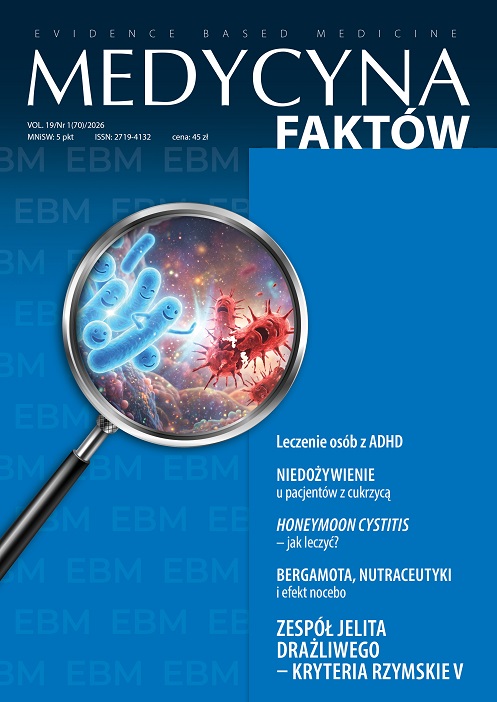
Main Article Content
Abstract
The Rome V criteria introduce a new, more flexible approach to irritable bowel syndrome (IBS), treating it as a disorder of the gut–brain axis rather than simply a functional condition. Key changes include the reintroduction of abdominal discomfort alongside pain, a lower threshold for symptom frequency, and a separation of clinical and research criteria. The new guidelines emphasize the importance of the gut microbiota, visceral hypersensitivity, immunological, and psychosocial factors in the pathogenesis of IBS. Rome V also promotes positive diagnosis, i.e., diagnosing IBS based on characteristic symptoms without the need for excessive exclusionary diagnostics. These changes are intended to facilitate earlier diagnosis of IBS, improve individualized treatment, and enhance the role of therapies targeting the gut–brain axis, diet, and microbiota.
Article Details
Copyright by Medical Education. All rights reserved.
References
2. Schmulson MJ, Drossman DA. What Is New in Rome IV. J Neurogastroenterol Motil. 2017; 23(2): 151-63. https://doi.org/10.5056/jnm16214.
3. Palsson OS, Lacy BE, Benninga MA et al. Development of the Rome V Diagnostic Questionnaires. Gastroenterology. 2026; 170(6): 1408-16. https://doi.org/10.1053/j.gastro.2026.01.041.